
An Ornithologist’s Perspective on Birding in Ijen
Mount Ijen, situated at the easternmost tip of Java, represents one of the most critical habitats for avian biodiversity in Indonesia. For those seeking a comprehensive Ijen birding guide, the region offers a complex profile of altitudinal zones, ranging from lowland edges to high-altitude montane forests. The volcanic complex is not merely a destination for hikers visiting the blue flames; it is a vital refuge for Javan endemic birds and specialised montane species.
Birdwatching in Mount Ijen requires an understanding of the local geography. The Ijen montane forest harbours species that are increasingly difficult to locate elsewhere on the island due to habitat loss. As a field journalist, I have observed that the unique soil composition and microclimates created by the volcanic activity support a specific flora that, in turn, sustains a high density of specialized insectivores and frugivores.
Key Ijen Bird Species and Identification
The primary draw for any serious birder visiting East Java is the opportunity to record restricted-range endemics. The birds of Mount Ijen include several high-priority targets that require patience and a keen ear for forest vocalisation.
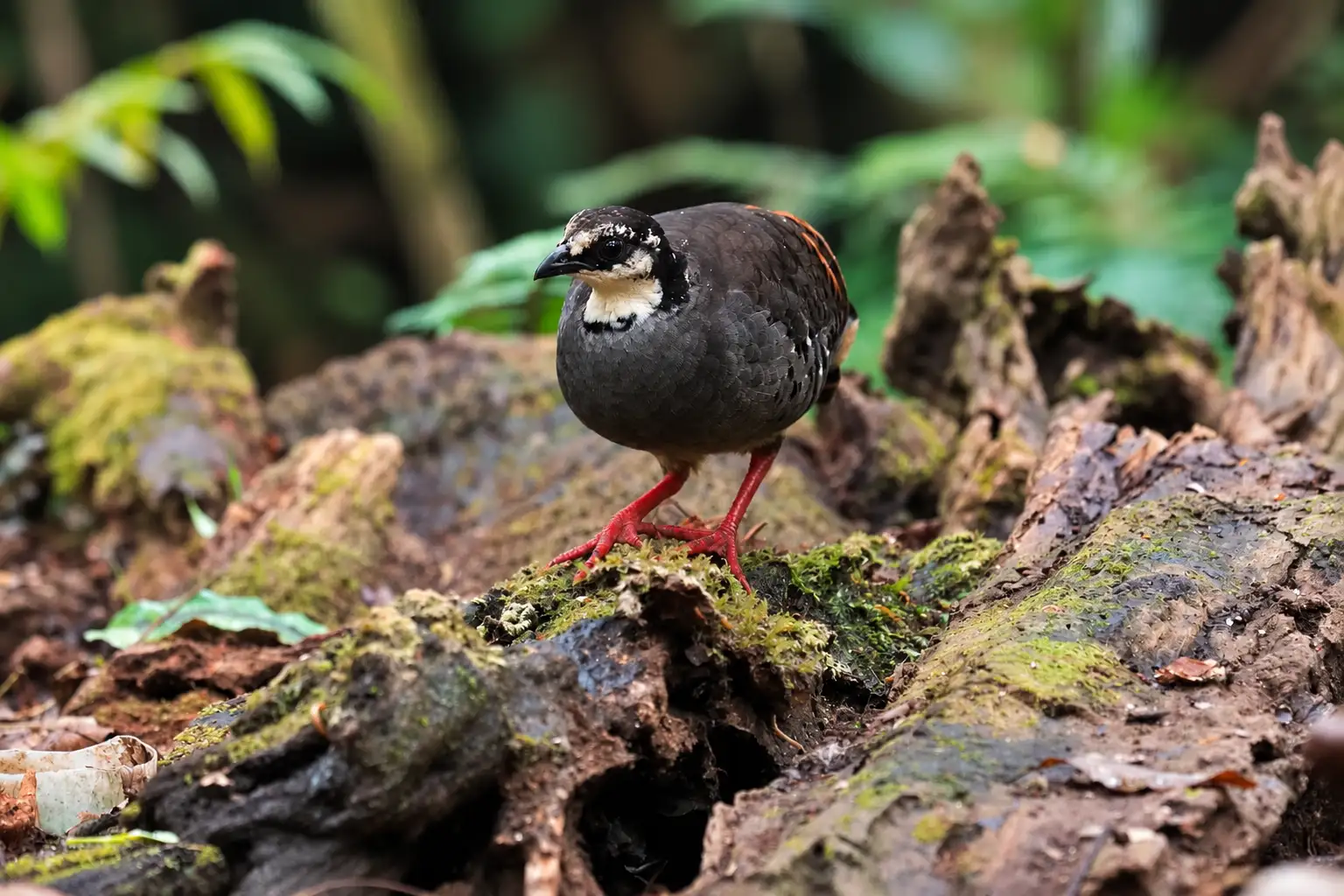
One of the most sought-after sightings is the Javan Hawk-Eagle (Nisaetus bartelsi), often seen soaring over the deeper valleys. On the forest floor, the elusive Grey-breasted Partridge (Arborophila orientalis) can be found among the leaf litter, though it is more frequently heard than seen.
Other significant species frequently recorded include:
- Javan Banded Pitta (Hydrornis guajanus): Best located in the lower elevations during the early morning hours.
- Javan Trogon (Apalharpactes reinwardtii): A stunning resident of the middle-to-upper montane forests.
- Pink-headed Fruit-Dove (Ptilinopus porphyreus): Often found feeding in fruiting trees near the forest edges.
- Dark-backed Imperial-Pigeon (Ducula lacernulata): Identifiable by its deep, booming call echoing through the canopy.
- Javan Frogmouth (Batrachostomus javensis): A primary target for nocturnal birding expeditions.
If you are planning an expedition, selecting a tailored East Java birdwatching package #1 ensures you visit the highest density territories for these endemics.
Best Birding Spots in Ijen
Successful birding in Ijen depends on visiting the correct elevations at the right time. The area surrounding Paltuding, the main gateway to the crater, is excellent for high-altitude specialists like the Mees’s White-eye (Zosterops melanurus) and the Javan Bulbul (Ixos virescens).
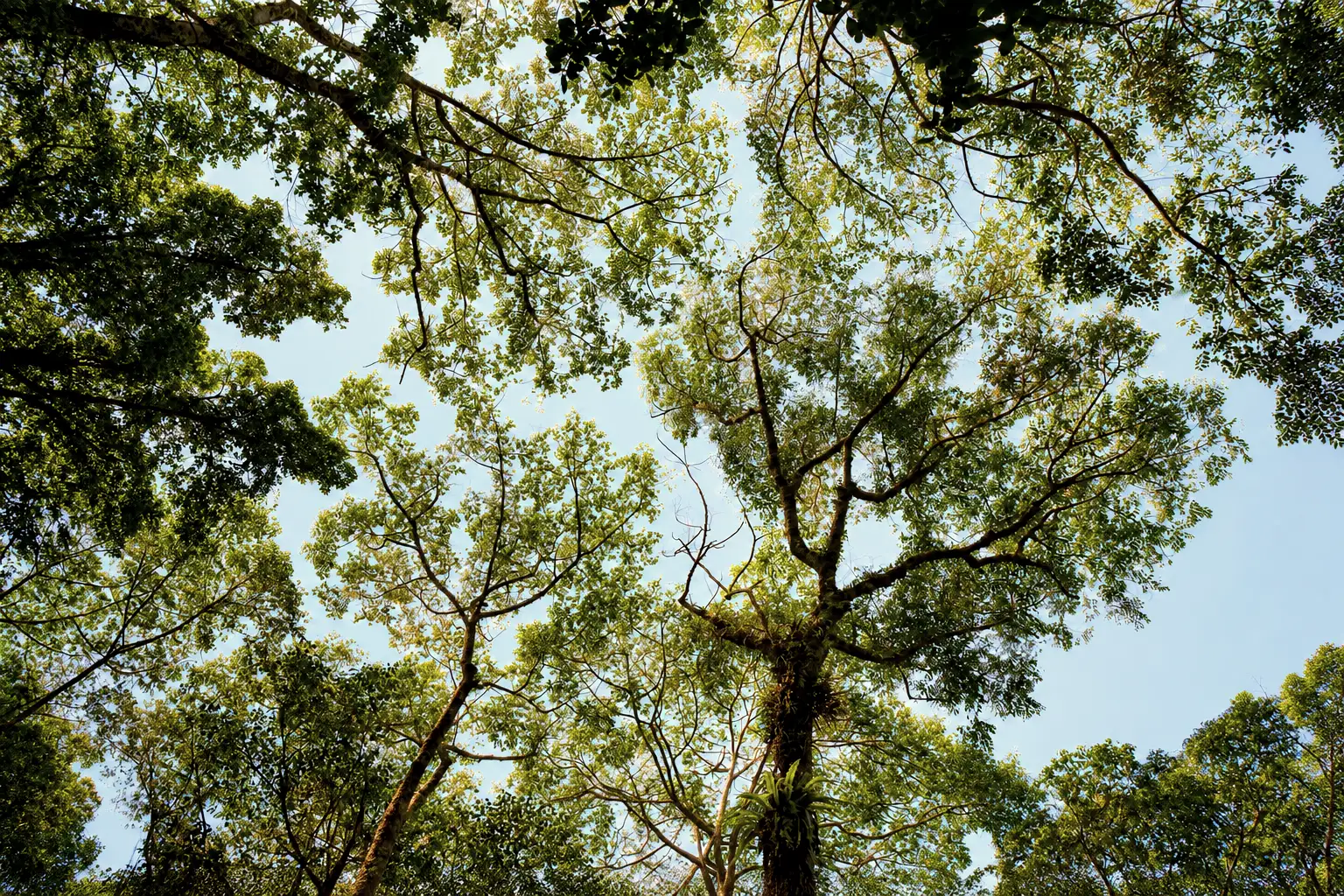
The road leading from Banyuwangi up to the Ijen plateau passes through several distinct forest types. Lower down, the secondary growth and plantations provide habitat for the Javan Whistling-Thrush (Myophonus glaucinus). As the elevation increases, the best birding spots in Ijen transition into primary forest where the canopy closes, providing better cover for trogons and raptors.
Expert Ijen Birding Tips for Field Success
To maximise your encounter rate, follow these professional Ijen birding tips:
Master Forest Bird Identification
Many Javan species are shy. Spend time studying the calls of the Javan Trogon and various bulbuls before arrival. In the dense Ijen montane forest, auditory identification is often your first clue to a bird’s presence.
Optimise for Bird Photography in Ijen
Light levels under the canopy can be extremely low. Use a fast lens and be prepared for high ISO settings. The mist common in the early mornings can provide atmospheric shots, but ensure your gear is weather-sealed. Bird photography in Ijen is most productive between 06:00 and 09:00 when activity peaks.
Practise Responsible Birdwatching
Avoid the excessive use of playback, especially for the Javan Hawk-Eagle. Stay on the established trails to minimise disturbance to the undergrowth where the Grey-breasted Partridge and other ground-dwellers forage. Birdwatching in Banyuwangi and the surrounding highlands is a privilege that relies on the preservation of these delicate ecosystems.
Frequently Asked Questions
What is the best time of year for birdwatching in Mount Ijen?
The optimal window for birding in Ijen is during the dry season, from June to September. During these months, the trails are more accessible, and birds are more active. However, many residents can be found year-round if weather conditions permit.
Can I see the Javan Hawk-Eagle at Mount Ijen?
Yes, the Javan Hawk-Eagle (*Nisaetus bartelsi*) is resident in the Ijen volcanic complex. It is most frequently spotted scanning the canopy from high ridges or soaring over the deep forested valleys during mid-morning thermals.
Is a guide necessary for birding in Ijen?
While independent birding is possible, a professional guide is highly recommended. The dense terrain and the specific altitudinal requirements of endemic species make local expertise invaluable for locating “skulking” birds like the Javan Banded Pitta or the Javan Frogmouth.
Plan Your Ijen Birding Expedition
For birdwatchers and wildlife photographers looking to document the unique avifauna of East Java, expert logistical support is essential. We provide specialised tours focused on the rare and endemic species of the Ijen plateau and surrounding regions.
Ijen Birding Tour
Website: https://ijenbirdingtours.com/
WhatsApp: +6281336765793
Email: ijenbirdingtour@gmail.com