
Exploring the Avian Diversity of the Ijen Highlands
Located at the easternmost tip of Java, the Ijen Plateau is renowned globally for its turquoise acid lake and electric-blue sulphur flames. However, for the dedicated birdwatcher, the true allure lies within the humid montane forests and jagged ridges that form the Ijen-Raung volcanic complex. Birds of Mount Ijen represent a significant cross-section of Javanese montane specialists, including several species that are increasingly difficult to locate elsewhere on the island.
The Ijen montane forest spans an altitudinal gradient from approximately 800 metres to the volcanic peaks exceeding 2,700 metres. This variation in elevation creates distinct ecological niches, from the lush, vine-draped sub-montane forests of Gantasan to the windswept, stunted Ericaceous scrub near the crater rim. For those planning a custom East Java birdwatching package #1, understanding these transitions is key to finding the region’s most sought-after endemics.
Key Endemic and Specialty Species
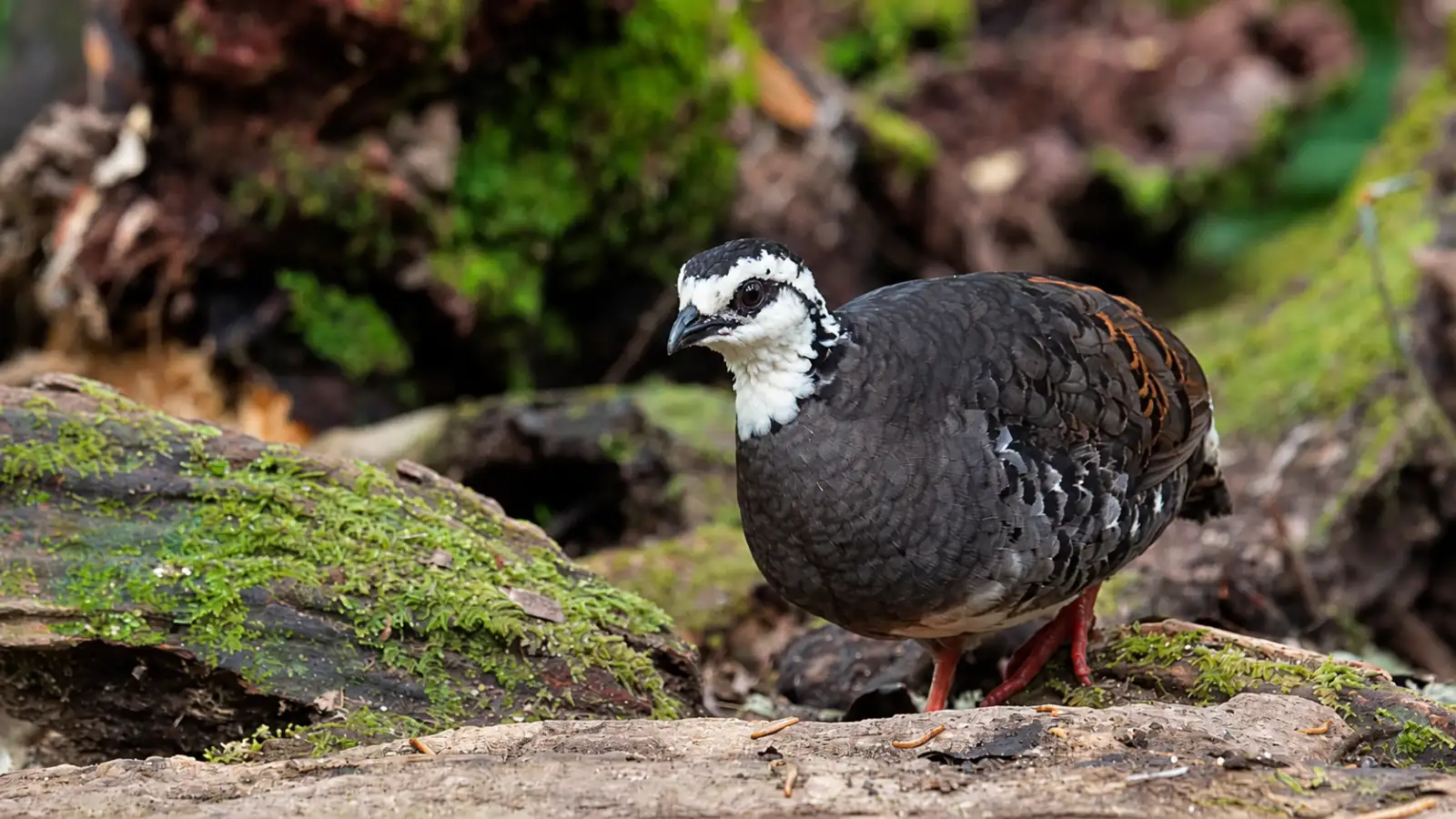
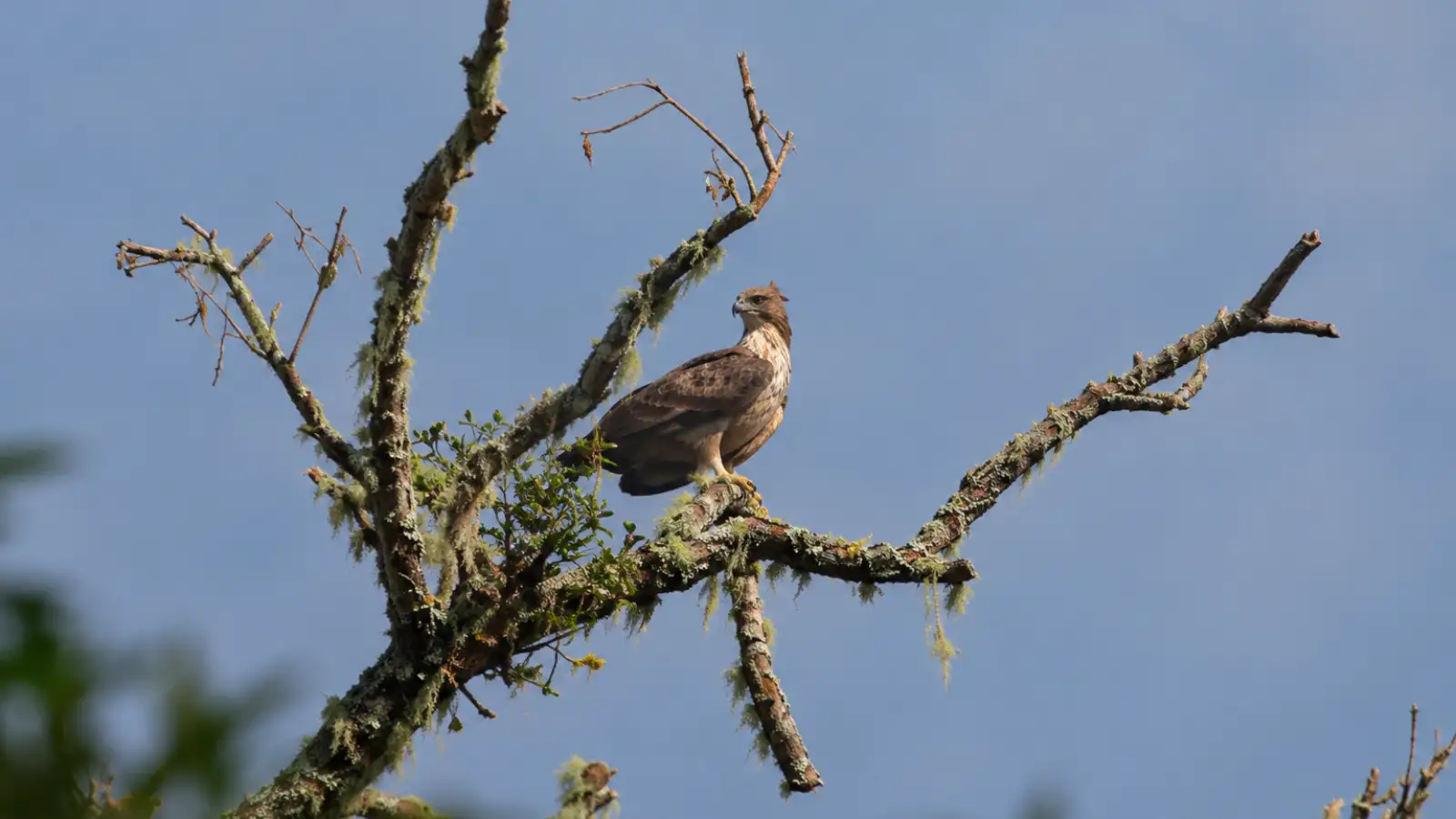
Mount Ijen harbours a remarkable concentration of endemics. At the top of the list for many visiting ornithologists is the Javan Hawk-Eagle (Nisaetus bartelsi), Indonesia’s national bird. This majestic raptor is often seen soaring over the deep valleys surrounding the Paltuding trail. Another ground-dwelling prize is the Grey-breasted Partridge (Arborophila orientalis), a species that requires patience and keen ears to locate as it forages among the leaf litter of the high-altitude slopes.
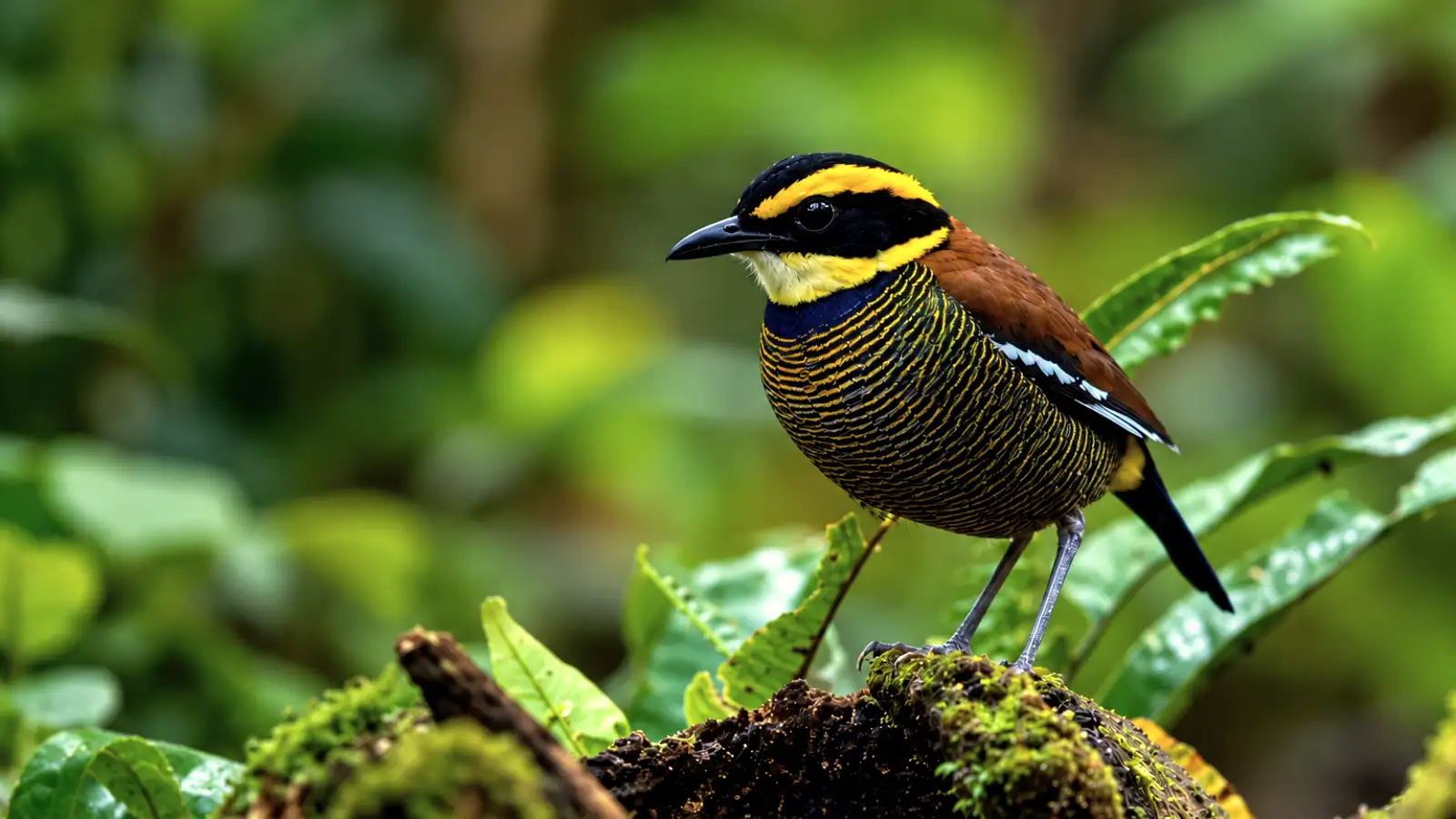
In the darker corners of the forest understory, the Javan Banded Pitta (Hydrornis guajanus) remains a highlight. Its vibrant plumage provides a sharp contrast to the earthy tones of the forest floor. Meanwhile, the mossy canopies higher up the mountain are home to the Javan Trogon (Apalharpactes reinwardtii) and the Orange-breasted Trogon (Harpactes oreskios), both of which are best located by their distinctive, measured calls.
Gantasan: The Prime Birding Hotspot
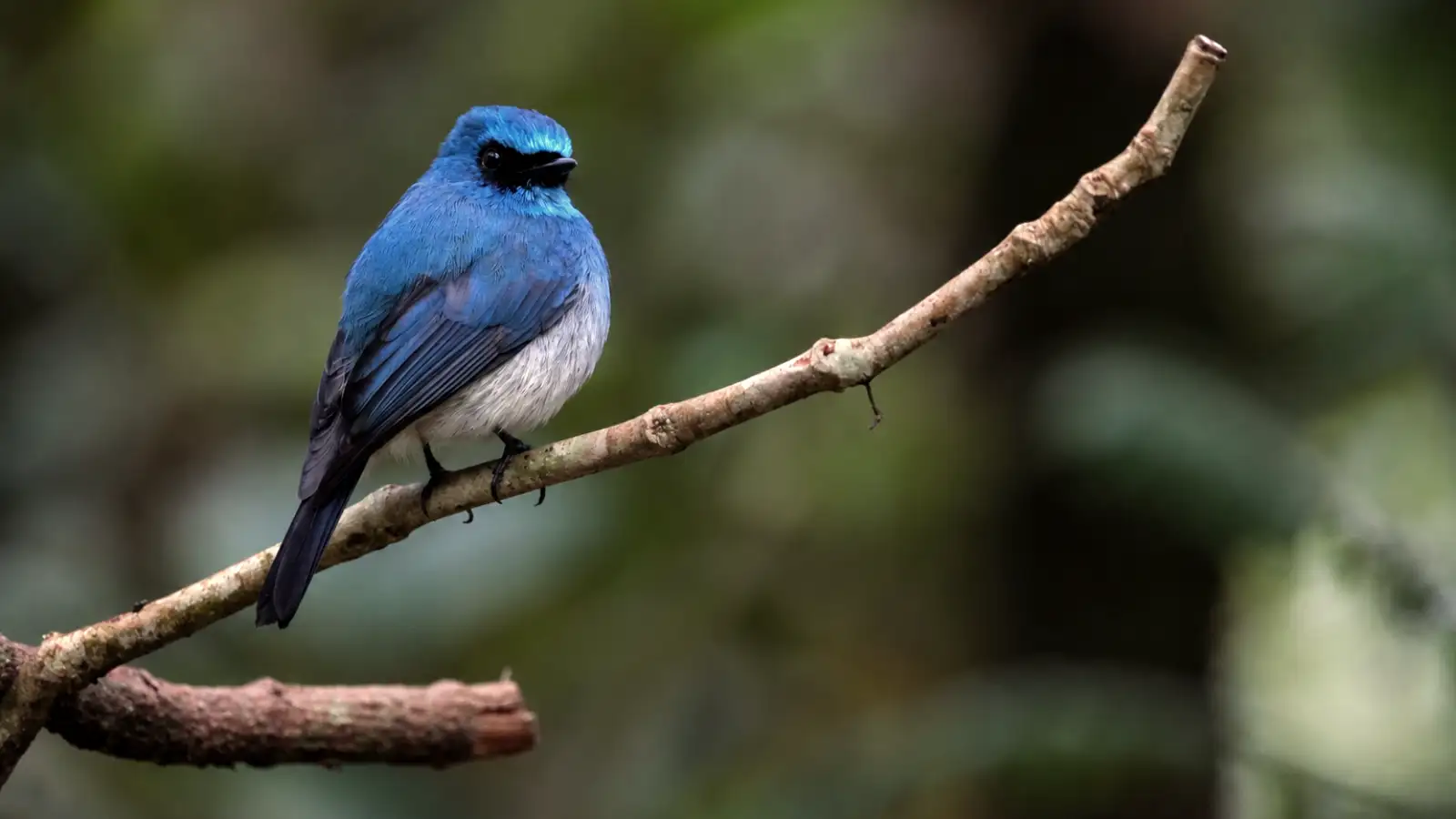
Gantasan is widely considered the premier site for birdwatching in Mount Ijen. This mid-elevation forest provides the perfect habitat for the Javan Frogmouth (Batrachostomus javensis) and the Javan Whistling-Thrush (Myophonus glaucinus). It is also an excellent location to observe mixed-species feeding flocks, which may include the Blue Nuthatch (Sitta azurea), Sunda Minivet (Pericrocotus miniatus), and the restless Indigo Flycatcher (Eumyias indigo).
Habitats of the Ijen Volcano
When searching for Mount Ijen bird species, it is helpful to categorise the terrain into three primary zones:
- Sub-montane Forest (800m – 1,500m): Characterised by high humidity and tall dipterocarps. Look for the Rhinoceros Hornbill (Buceros rhinoceros) and various woodpeckers like the Javan Flameback (Chrysocolaptes strictus).
- Montane Moss Forest (1,500m – 2,200m): This is the realm of the Pink-headed Fruit-Dove (Ptilinopus porphyreus) and the Dark-backed Imperial-Pigeon (Ducula lacernulata). The trees here are shorter and draped in epiphytes.
- Sub-alpine Scrub and Crater Rim (2,200m+): Here, the diversity drops but the specialisation increases. The Javan Bush Warbler (Locustella montis) and Sunda Warbler (Phylloscopus grammiceps) are common residents in this harsh environment.
Complete Ijen Bird Checklist
The following list includes species recorded within the Ijen ecosystem, ranging from permanent residents to seasonal migrants found in the birds of Banyuwangi region. This checklist serves as a reference for field observations based on eBird data and local surveys.
- Aberrant Bush Warbler — Horornis flavolivaceus
- Asian Brown Flycatcher — Muscicapa dauurica
- Asian Emerald Dove — Chalcophaps indica
- Asian Glossy Starling — Aplonis panayensis
- Asian Tit — Parus cinereus
- Ashy Drongo — Dicrurus leucophaeus
- Arctic Warbler — Phylloscopus borealis
- Banded Bay Cuckoo — Cacomantis sonneratii
- Banded Broadbill — Eurylaimus javanicus
- Banded Kingfisher — Lacedo pulchella
- Banded Woodpecker — Chrysophlegma miniaceum
- Barred Cuckoo-Dove — Macropygia unchall
- Barred Eagle-Owl — Ketupa sumatrana
- Barred Buttonquail — Turnix suscitator
- Bar-winged Prinia — Prinia familiaris
- Besra — Tachyspiza virgata
- Black Eagle — Ictinaetus malaiensis
- Black Drongo — Dicrurus macrocercus
- Black-headed Bulbul — Microtarsus melanocephalos
- Black-naped Fruit-Dove — Ptilinopus melanospilus
- Black-naped Monarch — Hypothymis azurea
- Black-naped Oriole — Oriolus chinensis
- Black-thighed Falconet — Microhierax fringillarius
- Black-banded Barbet — Psilopogon javensis
- Black-winged Flycatcher-shrike — Hemipus hirundinaceus
- Blue Nuthatch — Sitta azurea
- Blue Whistling-Thrush — Myophonus caeruleus
- Blue-and-white Flycatcher — Cyanoptila cyanomelana
- Brown Prinia — Prinia polychroa
- Brown-backed Needletail — Hirundapus giganteus
- Cave Swiftlet — Collocalia linchi
- Chestnut-breasted Malkoha — Phaenicophaeus curvirostris
- Chestnut-headed Bee-eater — Merops leschenaulti
- Chinese Sparrowhawk — Tachyspiza soloensis
- Collared Kingfisher — Todiramphus chloris
- Common Flameback — Dinopium javanense
- Common Iora — Aegithina tiphia
- Common Tailorbird — Orthotomus sutorius
- Coppersmith Barbet — Psilopogon haemacephalus
- Crescent-chested Babbler — Cyanoderma melanothorax
- Crested Goshawk — Lophospiza trivirgata
- Crested Serpent-Eagle — Spilornis cheela
- Crimson-winged Woodpecker — Picus puniceus
- Dark-backed Imperial-Pigeon — Ducula lacernulata
- Dollarbird — Eurystomus orientalis
- Eastern Cattle-Egret — Ardea coromanda
- Eastern Red-rumped Swallow — Cecropis daurica
- Eurasian Tree Sparrow — Passer montanus
- Eyebrowed Wren-Babbler — Napothera epilepidota
- Flame-fronted Barbet — Psilopogon armillaris
- Freckle-breasted Woodpecker — Dendrocopos analis
- Fulvous-chested Jungle Flycatcher — Cyornis olivaceus
- Gray-and-buff Woodpecker — Hemicircus concretus
- Gray-breasted Partridge — Arborophila orientalis
- Gray-cheeked Green-Pigeon — Treron griseicauda
- Gray-cheeked Tit-Babbler — Mixornis flavicollis
- Gray-headed Canary-Flycatcher — Culicicapa ceylonensis
- Gray-rumped Treeswift — Hemiprocne longipennis
- Gray Wagtail — Motacilla cinerea
- Great Egret — Ardea alba
- Greater Coucal — Centropus sinensis
- Greater Racket-tailed Drongo — Dicrurus paradiseus
- Green Imperial-Pigeon — Ducula aenea
- Green Junglefowl — Gallus varius
- Hair-crested Drongo — Dicrurus hottentottus
- House Swift — Apus nipalensis
- Horsfield’s Babbler — Malacocincla sepiaria
- Indigo Flycatcher — Eumyias indigo
- Japanese Sparrowhawk — Tachyspiza gularis
- Javan Black-capped Babbler — Pellorneum capistratum
- Javan Bulbul — Ixos virescens
- Javan Bush Warbler — Locustella montis
- Javan Flowerpecker — Dicaeum sanguinolentum
- Javan Flameback — Chrysocolaptes strictus
- Javan Frogmouth — Batrachostomus javensis
- Javan Hawk-Eagle — Nisaetus bartelsi
- Javan Myna — Acridotheres javanicus
- Javan Munia — Lonchura leucogastroides
- Javan Pond-Heron — Ardeola speciosa
- Javan Sunbird — Aethopyga mystacalis
- Lesser Coucal — Centropus bengalensis
- Lesser Cuckooshrike — Lalage fimbriata
- Lesser Racket-tailed Drongo — Dicrurus remifer
- Lesser Shortwing — Brachypteryx leucophris
- Lineated Barbet — Psilopogon lineatus
- Little Cuckoo-Dove — Macropygia ruficeps
- Little Pied Flycatcher — Ficedula westermanni
- Little Spiderhunter — Arachnothera longirostra
- Large-billed Crow — Corvus macrorhynchos
- Large-tailed Nightjar — Caprimulgus macrurus
- Large Woodshrike — Tephrodornis virgatus
- Malaysian Pied-Fantail — Rhipidura javanica
- Mangrove Blue Flycatcher — Cyornis rufigastra
- Mangrove Whistler — Pachycephala cinerea
- Maroon-breasted Philentoma — Philentoma velata
- Mountain Leaf Warbler — Phylloscopus trivirgatus
- Mountain Tailorbird — Phyllergates cucullatus
- Mugimaki Flycatcher — Ficedula mugimaki
- Olive-backed Tailorbird — Orthotomus sepium
- Olive-winged Bulbul — Pycnonotus plumosus
- Orange-bellied Flowerpecker — Dicaeum trigonostigma
- Orange-breasted Green-Pigeon — Treron bicinctus
- Orange-breasted Trogon — Harpactes oreskios
- Oriental Cuckooshrike — Coracina javensis
- Oriental Honey-buzzard — Pernis ptilorhynchus
- Oriental Hobby — Falco severus
- Oriental Pied-Hornbill — Anthracoceros albirostris
- Ornate Sunbird — Cinnyris ornatus
- Pacific Swallow — Hirundo javanica
- Pale Blue Flycatcher — Cyornis unicolor
- Peregrine Falcon — Falco peregrinus
- Pink-headed Fruit-Dove — Ptilinopus porphyreus
- Pink-necked Green-Pigeon — Treron vernans
- Pied Bushchat — Saxicola caprata
- Pied Shrike-Babbler — Pteruthius flaviscapis
- Pied Triller — Lalage nigra
- Plain Flowerpecker — Dicaeum minullum
- Plaintive Cuckoo — Cacomantis merulinus
- Pygmy Cupwing — Pnoepyga pusilla
- Red Junglefowl — Gallus gallus
- Red-breasted Parakeet — Psittacula alexandri
- Rhinoceros Hornbill — Buceros rhinoceros
- Rock Pigeon — Columba livia
- Ruddy Cuckoo-Dove — Macropygia emiliana
- Rufous Piculet — Sasia abnormis
- Rufous Woodpecker — Micropternus brachyurus
- Rufous-backed Dwarf-Kingfisher — Ceyx rufidorsa
- Rufous-bellied Eagle — Lophotriorchis kienerii
- Rufous-chested Flycatcher — Ficedula dumetoria
- Ruby-cheeked Sunbird — Chalcoparia singalensis
- Sacred Kingfisher — Todiramphus sanctus
- Savanna Nightjar — Caprimulgus affinis
- Scarlet-headed Flowerpecker — Dicaeum trochileum
- Scarlet Minivet — Pericrocotus speciosus
- Scaly Thrush — Zoothera dauma
- Scaly-breasted Munia — Lonchura punctulata
- Siberian Blue Robin — Larvivora cyane
- Siberian Thrush — Geokichla sibirica
- Small Buttonquail — Turnix sylvaticus
- Small Minivet — Pericrocotus cinnamomeus
- Snowy-browed Flycatcher — Ficedula hyperythra
- Spotted Dove — Spilopelia chinensis
- Spotted Kestrel — Falco moluccensis
- Square-tailed Drongo-Cuckoo — Surniculus lugubris
- Streaky-breasted Spiderhunter — Arachnothera affinis
- Striated Grassbird — Megalurus palustris
- Sunda Collared-Dove — Streptopelia bitorquata
- Sunda Crow — Corvus enca
- Sunda Cuckoo — Cuculus lepidus
- Sunda Cuckooshrike — Coracina larvata
- Sunda Minivet — Pericrocotus miniatus
- Sunda Pygmy Woodpecker — Yungipicus moluccensis
- Sunda Warbler — Phylloscopus grammiceps
- Sunda Brush Cuckoo — Cacomantis sepulcralis
- Sunda Teal — Anas gibberifrons
- Tawny-breasted Parrotfinch — Erythrura hyperythra
- Temminck’s Babbler — Pellorneum pyrrogenys
- Tenggara Whistler — Pachycephala calliope
- Trilling Shrike-Babbler — Pteruthius aenobarbus
- Violet Cuckoo — Chrysococcyx xanthorhynchus
- Velvet-fronted Nuthatch — Sitta frontalis
- White-breasted Waterhen — Amaurornis phoenicurus
- White-breasted Woodswallow — Artamus leucorynchus
- White-crowned Forktail — Enicurus leschenaulti
- White-headed Munia — Lonchura maja
- White-nest Swiftlet — Aerodramus fuciphagus
- Wedge-tailed Green-Pigeon — Treron sphenurus
- Wreathed Hornbill — Rhyticeros undulatus
- Yellow-bellied Warbler — Abroscopus superciliaris
- Yellow-eared Barbet — Psilopogon australis
- Yellow-rumped Flycatcher — Ficedula zanthopygia
- Yellow-vented Bulbul — Pycnonotus goiavier
- Zebra Dove — Geopelia striata
- Zebra Woodpecker — Meiglyptes tristis
- Zitting Cisticola — Cisticola juncidis
For visiting birders, birdwatching in Mount Ijen requires a strategy that account for both weather and timing. Most Ijen forest birds are most active just after dawn, usually between 05:30 and 09:00. After this window, the activity levels drop as the mist often rolls in from the Indian Ocean, obscuring visibility.
Frequently Asked Questions
When is the best time for birdwatching in Mount Ijen?
The dry season, from May to October, is ideal. During these months, trails are safer and birds are more active. However, some residents breed during the transition months, making them more vocal and easier to find by ear.
Do I need a guide to find Ijen endemic birds?
While some species like the Javan Myna are common, many endemics such as the Javan Banded Pitta and Grey-breasted Partridge are shy and inhabit dense undergrowth. Local knowledge is essential for locating these birds and identifying their calls in the thick montane forest.
What should I pack for an Ijen birding trip?
Expect temperatures to drop significantly at night and in the early morning. Layered clothing, waterproof gear for the occasional afternoon shower, and high-quality binoculars are necessary. A spotting scope is helpful for observing raptors from the crater viewpoints.
Plan your avian adventure with the experts at Ijen Birding Tour. We specialise in tailored itineraries that focus on the rare and endemic species of East Java.
Ijen Birding Tour
Website: https://ijenbirdingtours.com/
WhatsApp: +6281336765793
Email: ijenbirdingtour@gmail.com